
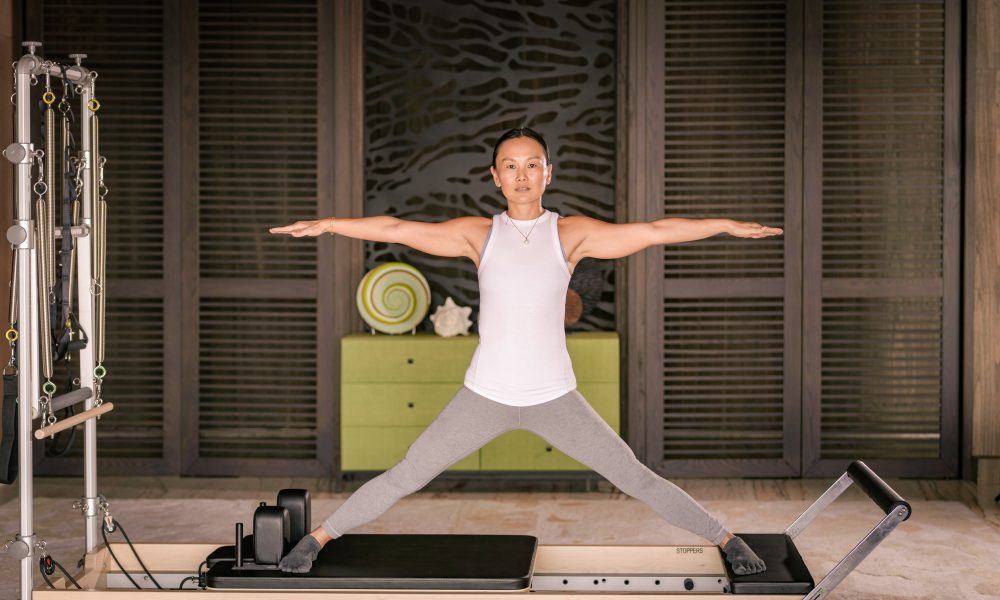
People usually look for different things when they decide to step away from daily life. Some want silence. Some want structure. Some want gentle movement that feels purposeful without being exhausting. A pilates retreat thailand often sits quietly in the middle of all that.
It is not about pushing limits every day. It is more about slowing down enough to notice how the body moves, where tension sits, and how rest fits into progress. For many travelers, that balance becomes the reason they choose this kind of retreat instead of a packed activity holiday.
Daily routines that support steady progress
Structure helps people relax. Knowing when sessions happen removes decision fatigue. Guests can focus on participation instead of planning.
Most days follow a gentle pattern. Morning movement. Time to rest. Light activity later. Evenings remain quiet. This routine allows the body to respond without overload.
Some guests notice improvements quickly. Others feel changes more slowly. Both experiences are normal.
Group sessions versus personal attention
Group classes create shared energy. Moving alongside others builds motivation without competition. People feel encouraged simply by being present.
At the same time, personal guidance adds value. Individual attention helps adjust posture and alignment gently. This reduces strain and builds confidence.
Some guests prefer groups. Others prefer quieter sessions. Many enjoy both at different points during the stay.
How surroundings influence focus and calm
Environment shapes mindset. Quiet surroundings encourage awareness. Natural spaces slow thoughts without effort.
Retreat settings often limit distractions. Fewer schedules. Fewer decisions. Less noise. This supports deeper focus during sessions and better rest afterward.
Not everyone notices this immediately. It becomes clearer after a few days.
Who usually enjoys this retreat style most
This type of retreat attracts people who value sustainability. They are not chasing fast change. They are interested in habits they can continue later.
Guests may arrive with different goals. Flexibility. Strength. Recovery. Or simply a reset. The shared factor is patience.
Some arrive unsure. That hesitation often fades.
Emotional shifts during the stay
Movement affects more than muscles. Many guests experience emotional release without expecting it. Slowing down creates space for reflection.
This does not feel dramatic. It feels quiet. Thoughts settle. Stress softens. Perspective shifts slightly.
Not everyone talks about it. But many feel it.
A gentle way to reconnect with the body
This retreat style offers a pause without isolation. Movement without pressure. Structure without rigidity.
Choosing a pilates retreat thailand often comes from a quiet decision. A sense that the body needs attention, not correction. Guidance, not control.
And sometimes, that softer approach creates the strongest change.
The role of mindful consistency
Constancy often matters more than strength. Repeating controlled movements each day builds familiarity within the body. Muscles respond slowly. Joints feel supported rather than strained. Over time, this stable rhythm creates confidence. Guests begin to trust their movements instead of questioning them. That trust becomes part of the progress.
Small adjustments repeated daily can shift posture and balance in subtle ways. The body learns through calm repetition. There is no rush to achieve visible change. Instead, improvement feels internal first. Strength feels stable. Flexibility feels usable. The experience remains grounded and sustainable.
Carrying the experience home
The retreat does not end when the stay finishes. Many people leave with a clearer understanding of how their physique responds to rest and movement. They recognize when tension builds. They notice when breathing becomes shallow. That awareness continues quietly in daily life.
Rather than dramatic transformation, what remains is steadiness. A slower response to stress. A habit of pausing before pushing harder. The structure experienced during the retreat becomes a reference point. It reminds them that balance is probable, even within a hectic routine.